Leverandør: Green Coffee Collective
Unusual Origins Bundle
Beskrivelse
Three rare origins for roasters ready to go further
You've worked your way through the usual suspects. Now for three countries you'll rarely see on a green coffee list.
The first is South Sudan, where the nearest port is almost 3,000km away across three borders, and a coffee industry wiped out by civil war is being rebuilt from the ground up. The second is Timor-Leste, where coffee was once the leading export before years of neglect, and farmers are now bringing their shaded coffee forests back to life. The third is Papua New Guinea, where around 400,000 smallholders grow almost all of the country's coffee. This lot is our first ever from PNG.
What's inside
Equatoria Coffee Natural Robusta, South Sudan
Equatoria Coffee started planting in 2018 in Nzara County, offering coffee as a quicker-growing partner to its teak operation: three years to harvest against teak's twenty-five. Today it works with 1,500 local farmers, most on one or two hectares, who grow coffee alongside food crops for income in the lean season. Farmers are paid a base price, then topped up with further profit once the coffee sells.
Rotutu Washed, Timor-Leste
Sixteen smallholder farmers in Letefoho sell ripe cherry straight to Karst Organics, who pay around 30% above the local commercial rate. That gives every farmer a reason to pick only the ripest cherries. The cherries are fermented for 40–44 hours, washed in up to eight passes, dried on raised beds, and rested for six weeks before dry milling in Dili.
Papua New Guinea Washed Typica, Papua New Guinea
This coffee is grown high in the valleys around Goroka on village plots averaging just 0.7 hectares. Road access is limited, so farmers wash the coffee themselves and sell it as parchment to village traders, before it's dry milled and shipped out of Lae.
Du kan også lide
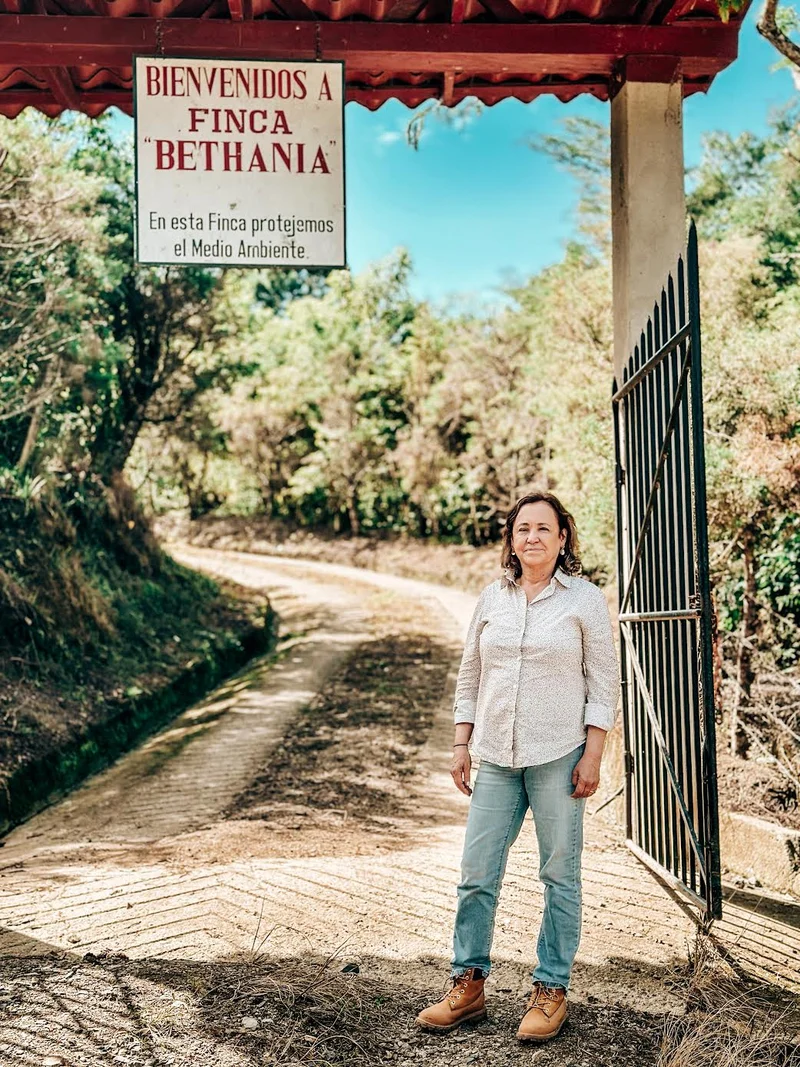 På tilbudBethania Hortensia - Washed CatuaiGreen Coffee Collective
13,92 kr.9,23 kr.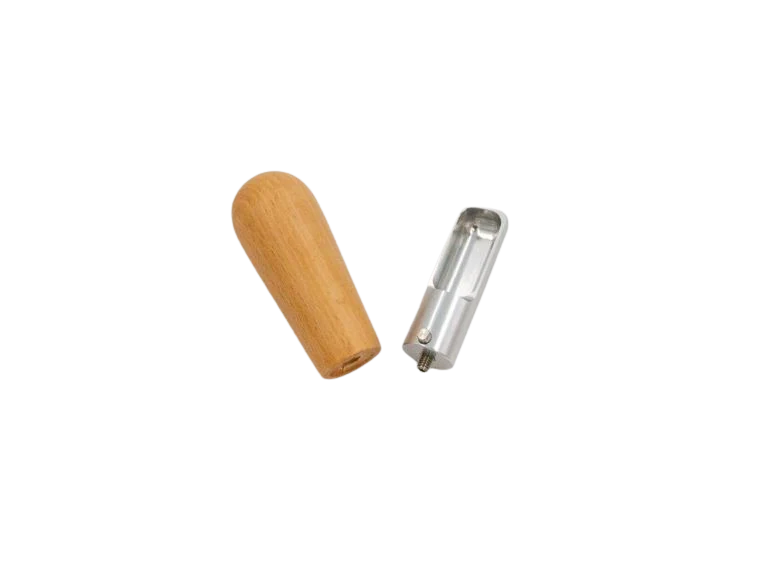 Bullet R1 / R2 Trier AssemblyGreen Coffee Collective0,00 kr.
 På tilbudDecaf - Green Coffee Beans for Home Roasting (500g)Green Coffee Collective
9,26 kr.5,84 kr. På tilbudRobusta Coffee Beans – Green Beans for Home Roasting (500g)Green Coffee Collective
5,77 kr.3,47 kr.